

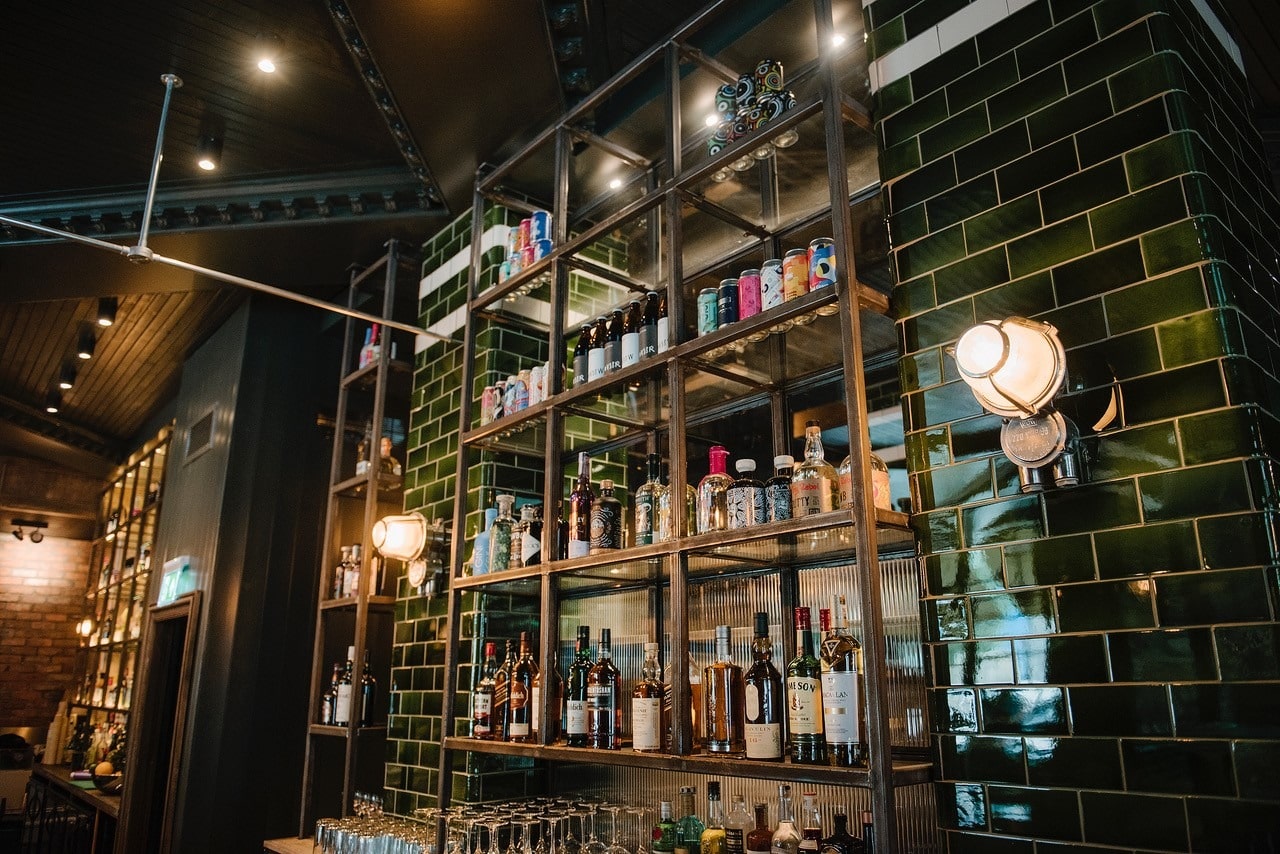
23 Jan Victorian Tiles: Timeless Design Rooted in Craftsmanship
Victorian tiles remain one of the most enduring and recognisable elements of traditional British interiors. First popularised during the Victorian era (1837–1901), these ceramic tiles were celebrated for their rich colours, durability, and decorative versatility. Today, Victorian tiles continue to be admired for their timeless appeal and are widely used in both period restorations and contemporary homes.
At Victorian Ceramics, we specialise in the manufacture of authentic Victorian tiles, produced using traditional methods that honour the originals.
A Brief History of Victorian Tiles
The Victorian period marked a turning point in ceramic tile production. Advances in manufacturing made tiles more affordable, while an increasing appreciation for design led to their widespread use in homes, public buildings, churches, and commercial spaces.
Victorian tiles were commonly used in:
- Hallways and entrance floors
- Fireplaces and hearths
- Kitchens and sculleries
- Bathrooms and washrooms
- Porches and pathways
Their popularity stemmed not only from their beauty but also from their practicality. Ceramic tiles were hygienic, hard-wearing, and easy to maintain — qualities that remain just as relevant today.
Distinctive Characteristics of Victorian Tiles
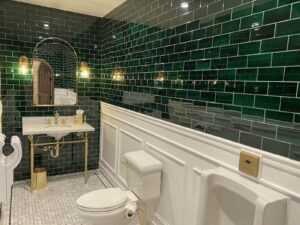 Authentic Victorian tiles are defined by several key features that set them apart from modern alternatives.
Rich, Deep Glazes
Victorian tiles are known for their intense, glassy colours. Traditional glaze recipes produced deep reds, ochres, greens, blues, blacks, and creams — hues that retain their vibrancy even after decades of use.
Subtle Variations
Unlike mass-produced modern tiles, original Victorian tiles displayed gentle variations in tone. This was the result of hand-glazing and kiln-firing, creating depth and character across a tiled surface.
Sharp, Clean Edges
Traditional Victorian tiles were made with crisp edges, allowing them to be laid with very fine grout lines or even butt-jointed. This created the distinctive, seamless appearance seen in historic interiors.
Small-Format Sizes
Victorian tiles were typically produced in small formats, making them ideal for detailed layouts, borders, and decorative patterns.
Victorian Tiles in Modern Interiors
 While Victorian tiles are essential for period property restoration, they are increasingly used in modern homes as well. Their strong colours and simple geometry work beautifully in both traditional and contemporary settings.
Popular modern uses include:
- Victorian floor tiles in hallways and kitchens
- Hearth tiles for open fires and wood burners
- Decorative wall tiles in bathrooms
- Feature floors in porches and boot rooms
When paired with modern fittings, Victorian tiles create a striking contrast that adds warmth, texture, and visual interest.
Authentic Victorian Tile Manufacturing
True Victorian tiles cannot be replicated using modern, industrial shortcuts. At Victorian Ceramics, our tiles are made using traditional techniques that closely follow 19th-century production methods.
Each tile is individually hand-glazed using original glaze recipes. This process creates natural tonal variation and depth, ensuring no two tiles are exactly the same. Over time, the glazes gently craze, enhancing the tile’s character and authenticity.
Our tiles are produced in traditional sizes and colours, making them suitable for both restoration projects and new installations inspired by Victorian design.
Why Choose Victorian Tiles?
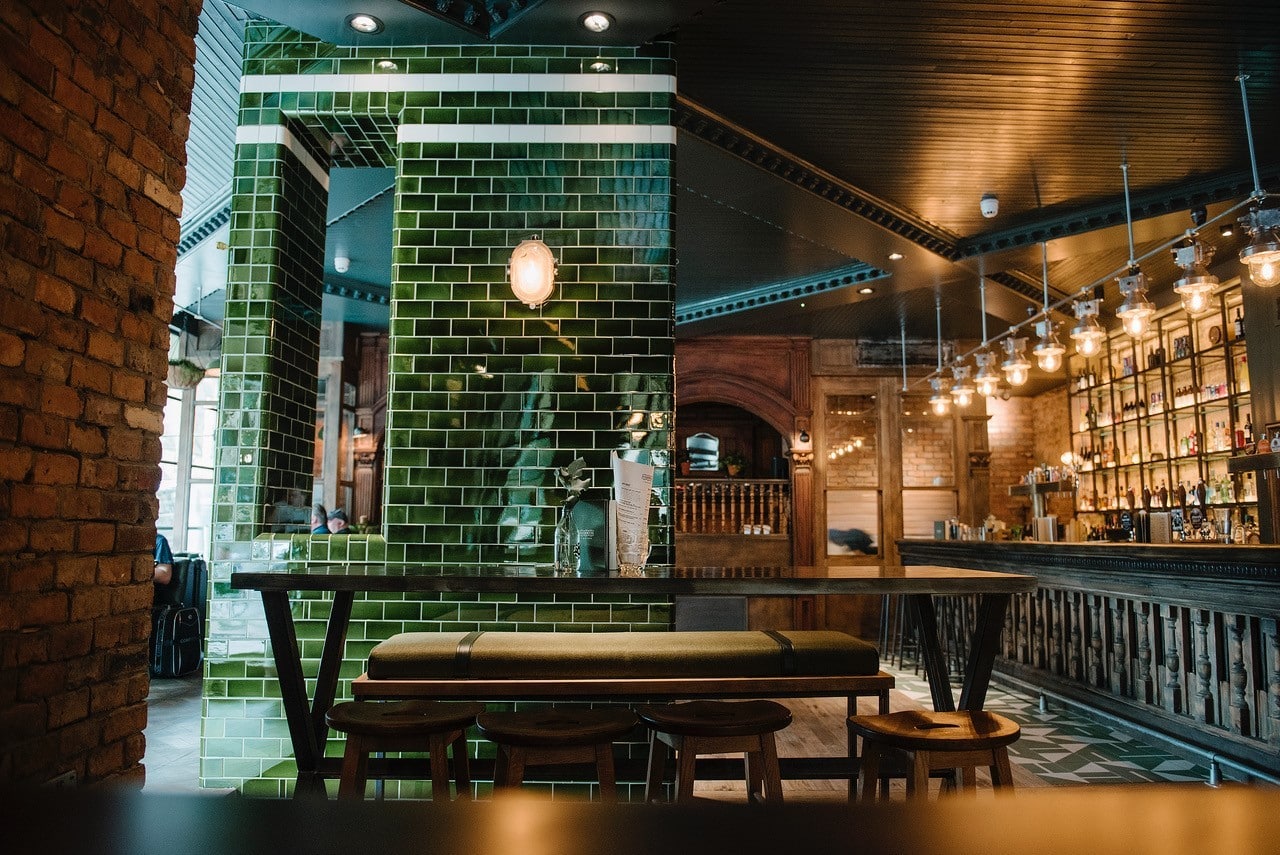
Victorian tiles offer a rare combination of beauty, durability, and heritage value. When properly made and installed, they can last for generations while developing an even richer appearance with age.
Whether you are restoring a period property or introducing classic design into a modern space, Victorian tiles provide a timeless solution that never goes out of style.
Contact Victorian Ceramics with your requirements for modern or period restoration in your home or commercial property.

No Comments